- Home
- Roof Systems
- Black EPDM Roofing in Las Cruces, NM
Roof Systems
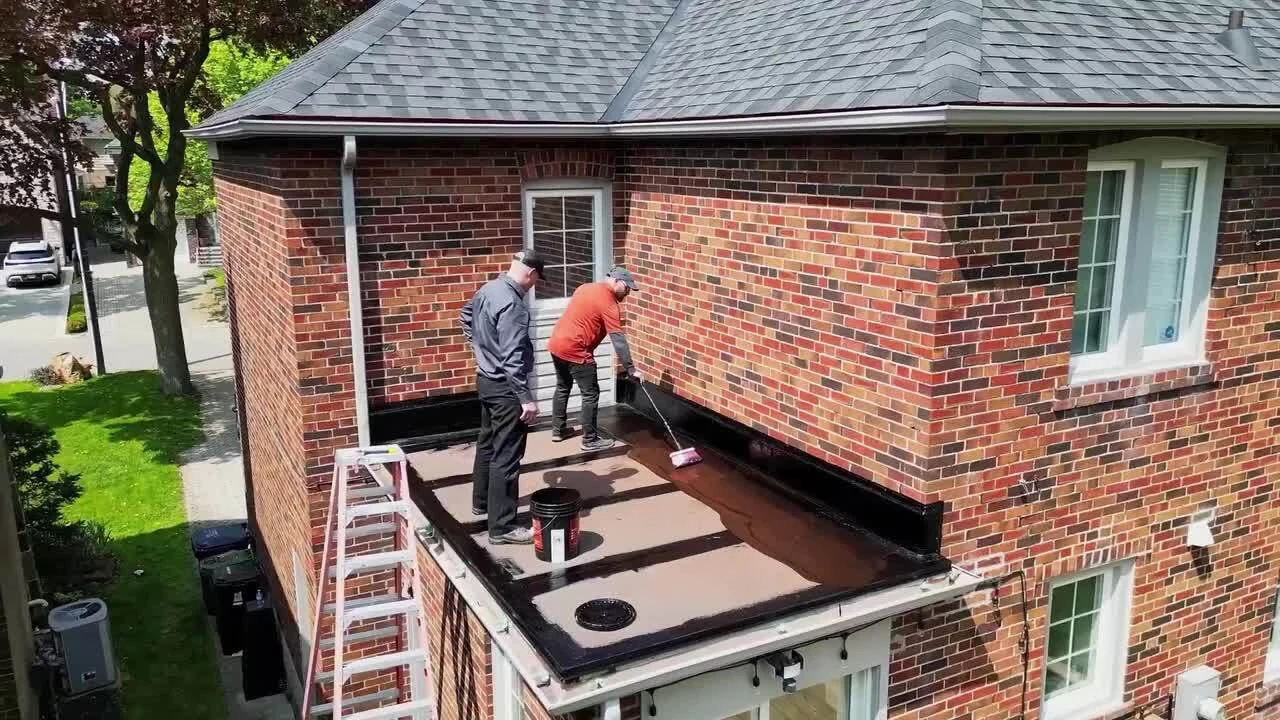
Black EPDM Roofing in Las Cruces, NM
Black EPDM on Older Las Cruces Retrofit Roofs
Black EPDM still turns up on plenty of the older flat roofs we get called to service around the valley. It's not what we spec on new work anymore in most cases, but understanding why it was chosen and how it's aging matters for any owner deciding between a recover and a full replacement.
Why EPDM Was the Standard for Decades
Before TPO and PVC took over most of the single-ply market, EPDM was the go-to membrane on low-slope commercial roofs for good reason - it's a simple, durable rubber sheet with a long track record and straightforward field seaming. Plenty of buildings around NMSU and the older commercial corridors near downtown still carry original or once-replaced EPDM systems.
Ballasted EPDM in particular was common on buildings from the 1980s and 1990s, where a layer of river rock holds the membrane in place instead of mechanical fasteners or full adhesive.
Black Membrane and Heat Gain Here
Black EPDM absorbs far more solar heat than a white membrane, and surface temperatures on a July roof deck can run well over 150 degrees. That heat load pushes harder on the insulation below and on any rooftop equipment nearby, which is the main reason we steer new installs toward reflective membranes instead.
For an owner with a functioning black EPDM roof and no cooling-cost complaints, we don't push a tear-off just to switch colors. The membrane's dark surface is a real tradeoff, not an emergency, and replacing a serviceable roof early rarely pencils out.
Seam Tape Versus Heat Welding
EPDM doesn't heat-weld like TPO or PVC. Seams rely on a reinforced seam tape or liquid adhesive, and that bond is the first thing we check on any older EPDM roof - thermal cycling over years of desert swings can work a marginal seam loose long before the field membrane itself fails.
We probe every seam we can reach during an inspection and flag anything showing separation, because a lifted seam edge on EPDM is a slower, quieter leak path than a puncture, and it can go unnoticed for a season or two before it shows up as a stain on a ceiling tile below.
Ballast, Dust, and Wind Scour
On ballasted systems, the stone layer does double duty - it holds the membrane down and shields it from UV, which is part of why some ballasted EPDM roofs outlast unprotected fully-adhered ones. But spring wind events here can scour ballast away from parapet edges and corners, exposing membrane that was never meant to see direct sun.
We check ballast distribution on every ballasted-roof inspection, especially after a windy spring, and redistribute stone that's drifted before bare membrane spends a season taking full UV exposure it wasn't designed for.
- Seam tape condition at every lap, not only a visual pass from the roof hatch
- Ballast depth and distribution at parapets and corners after wind events
- Flashing condition at pipe boots and curbs, where EPDM ages fastest
- Membrane thickness remaining - older EPDM can thin at high-wear zones
- Drain and scupper condition relative to current roof slope
- Patch history - repeated patching in one area signals a bigger problem underneath
Monsoon Ponding on an Aging EPDM Field
A roof that's shifted or settled over 20-plus years often develops low spots it didn't have when new. Those spots hold water hardest during monsoon bursts, and standing water sitting on an aging seam is where we see the most EPDM leak calls between July and September.
We map ponding areas during summer inspections specifically, not only in dry months, because a low spot that looks minor in April can be holding two inches of water after an August storm.
When We Recommend Moving Off Black EPDM
If a roof is due for full replacement anyway, we'll almost always recommend a reflective membrane instead of another black EPDM system, given the heat-load difference in this climate. But a recover over sound, dry EPDM with a compatible new membrane can be the more economical move for a building that isn't ready for a full tear-off.
What Owners Ask About Aging Black EPDM Roofs
How do I know if my EPDM roof needs a recover or a full tear-off?
It comes down to how much wet insulation is underneath and how many patch repairs the roof has already accumulated. We check moisture with a scan during inspection rather than guessing from the surface condition alone.
Is black EPDM still available if I want to match an existing roof section?
Yes, EPDM is still manufactured and available, though for most full replacements we'd recommend discussing a reflective option even if the existing sections stay black for now.
Why does my EPDM roof have loose stones near the edges?
Wind scour on ballasted systems tends to concentrate at parapets and corners first. We redistribute ballast during inspection visits, but recurring scour in the same spot can mean a wind uplift issue worth a closer look.
Can EPDM seams be repaired without replacing the whole roof?
In most cases yes - a lifted or failed seam section can be cut back, cleaned, and re-taped as a spot repair, provided the surrounding membrane is still sound.
Does ballast protect EPDM from Las Cruces sun better than an exposed membrane?
Generally yes, ballast blocks direct UV exposure to the membrane surface, which is part of why some ballasted EPDM roofs outlast fully-adhered black membrane installed the same year.