- Home
- Roof Systems
- White EPDM Roofing in Las Cruces, NM
Roof Systems
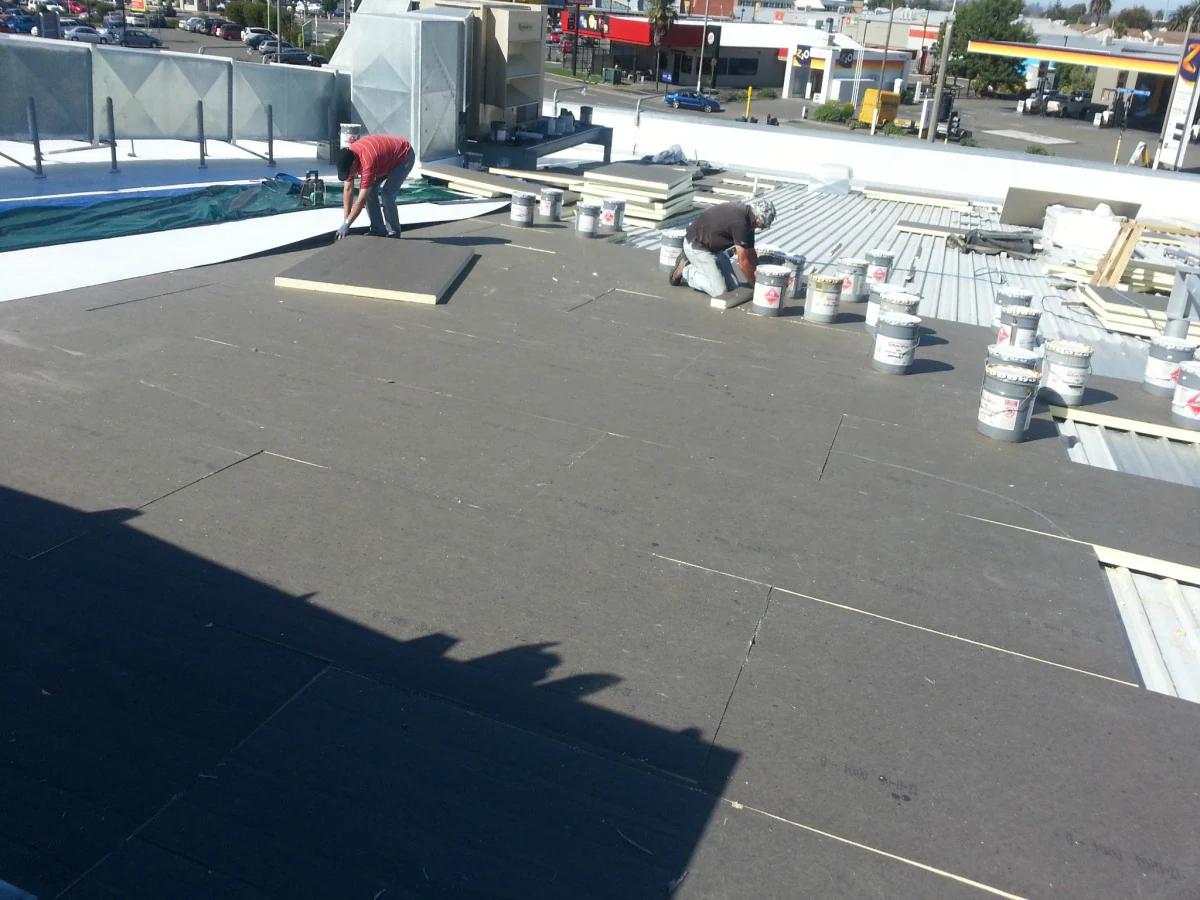
White EPDM Roofing in Las Cruces, NM
White EPDM for Cutting Rooftop Heat Load
White EPDM gives a building the rubber membrane's proven seam and durability history with a reflective surface instead of the traditional black. We spec it less often than TPO these days, but it still has a place on certain retrofit jobs where compatibility with an existing system matters.
Reflectivity Without Switching Membrane Families
Some owners want the reflective, heat-reducing surface of a white membrane but are replacing sections of an existing EPDM roof and want material continuity rather than mixing membrane chemistries. White EPDM answers that directly - same rubber base as the black version, just formulated with a reflective top surface.
Surface temperatures on white EPDM run dramatically cooler on a summer afternoon than black EPDM on the same building, which takes real load off rooftop units and the insulation layer underneath during our long cooling season.
We see this most often on multi-building campuses where one wing already has a working white EPDM section and the owner wants the next phase of work to match rather than introducing a second membrane type the maintenance staff has to track separately.
Chalking and Surface Aging
White EPDM has a known aging pattern that owners should know about going in - the reflective surface can chalk and pick up dirt over years of UV exposure, gradually losing some of its initial reflectivity. That's a documented characteristic of the membrane category, not a defect, and it's one reason TPO has largely displaced white EPDM in new commercial specs.
We tell owners upfront that a white EPDM roof ten years in won't look or perform quite like it did on day one, and periodic cleaning helps but doesn't fully restore original reflectivity.
Dust deposition adds to the chalking effect out here more than it would in a wetter climate, since we don't get regular rain to wash the surface between dry stretches that can run for months at a time.
Seaming Still Runs on Tape, Not Heat Weld
Like its black counterpart, white EPDM seams with reinforced tape or adhesive rather than hot-air welding. That means the same seam-inspection discipline applies - we probe laps at install and check them again at the first scheduled walkthrough, since thermal cycling here stresses taped seams more than a milder climate would.
This is one of the practical differences we walk owners through when they're deciding between white EPDM and white TPO for a recover - TPO's welded seam generally gives us a more verifiable bond in the field.
Where the Dust and Grit Problem Shows Up
A lighter membrane surface shows dust and grit buildup more visibly than black membrane does, though the practical wear pattern is the same - foot traffic near rooftop units grinds airborne grit into the surface over time. We still lay walk pads along access routes regardless of membrane color.
- Reflectivity expectations set correctly at install - chalking is normal, not a defect
- Seam tape inspection schedule, since EPDM doesn't heat-weld
- Walk pad placement at RTU and hatch access points
- Compatibility check if recovering over existing EPDM sections
- Cleaning schedule to slow reflectivity loss from dust buildup
- Drainage check independent of membrane color or reflectivity
Monsoon Season Behavior
White EPDM handles standing water reasonably well in short bursts, similar to its black counterpart, but ponding that lingers for days after a monsoon storm still accelerates seam stress and can encourage algae or dirt buildup that further dulls the reflective surface. We flag chronic ponding for a drainage fix rather than treating it as something the membrane will simply tolerate indefinitely.
The dry-then-sudden-wet pattern we get from May through the start of monsoon season also means a roof can go months without any real test of its drainage before getting hit with a burst that drops an inch or more in under an hour. We use that first big storm of the season as an informal field test on any roof we've recently recovered.
TPO Usually Wins on New Installs
For a full replacement rather than a compatibility-driven recover, we typically point owners toward white TPO instead - see our 60-mil TPO page - since welded seams and generally better long-term reflectivity retention tend to outweigh EPDM's advantages on a clean-slate install.
Questions About White EPDM Performance Here
Does white EPDM actually lower cooling costs?
It reduces rooftop surface temperature substantially compared to black membrane, which takes some load off rooftop units, though the actual cooling-cost impact depends on insulation levels and how the HVAC system is configured.
How often does white EPDM need cleaning to stay reflective?
There's no fixed schedule that fits every building - dust exposure varies a lot by location around the valley. We evaluate surface condition at each scheduled inspection and recommend cleaning when buildup is visibly affecting reflectivity.
Is white EPDM more expensive than black EPDM?
Typically a modest premium over black, less than the jump to a different membrane family like TPO or PVC.
Can you recover an existing black EPDM roof with white EPDM?
Yes, provided the existing membrane and insulation are sound and dry, a white EPDM recover over compatible black EPDM is a common approach.
Why would someone choose white EPDM over white TPO?
The main reason is compatibility with an existing EPDM roof section or a specific manufacturer warranty situation. On a fully new install without that constraint, we usually recommend TPO instead.